
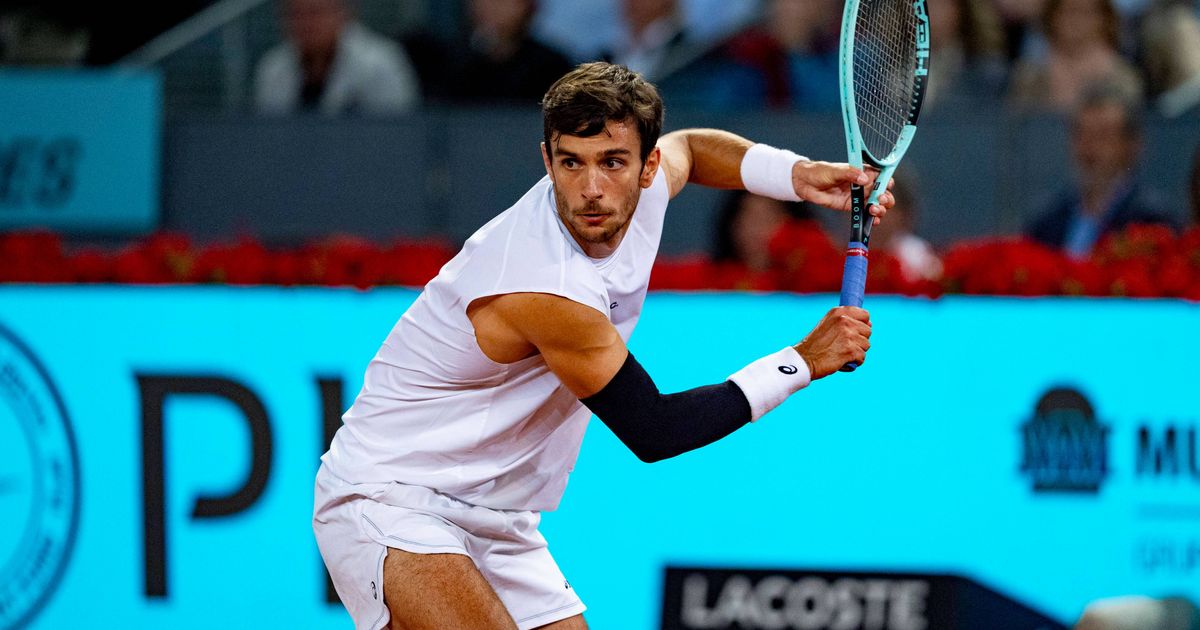
The most defining statistical takeaway in 2025 is the stark marginalization of the one-handed backhand in the Top 100, which has translated directly into a near-total monopolization of ATP titles by players using the two-handed technique.
1. Count of One-Handers in the Top 100 (Since Jan 2025)
The number of one-handed backhand players in the ATP Top 100 has been consistently low and is generally trending down.1
| Category | Typical Count (2025) | Percentage of Top 100 | Highest-Ranked Player (Typical) |
| One-Handed Backhand (1HBH) | 8 to 11 players | ~8% to 11% | Stefanos Tsitsipas / Grigor Dimitrov |
| Two-Handed Backhand (2HBH) | 89 to 92 players | ~89% to 92% | Carlos Alcaraz / Jannik Sinner |
For much of 2025, only one player with a one-handed backhand (Grigor Dimitrov) has consistently held a position inside the Top 10, though Stefanos Tsitsipas has frequently hovered just outside the Top 10-15.
The core group of one-handers who have been consistently in the Top 100 includes:
-
Stefanos Tsitsipas
-
Grigor Dimitrov
-
Lorenzo Musetti2
-
Denis Shapovalov
-
Daniel Altmaier3
-
Dusan Lajovic
-
(Note: Veterans like Stan Wawrinka and Richard Gasquet have mostly been ranked outside the Top 100 this year.)
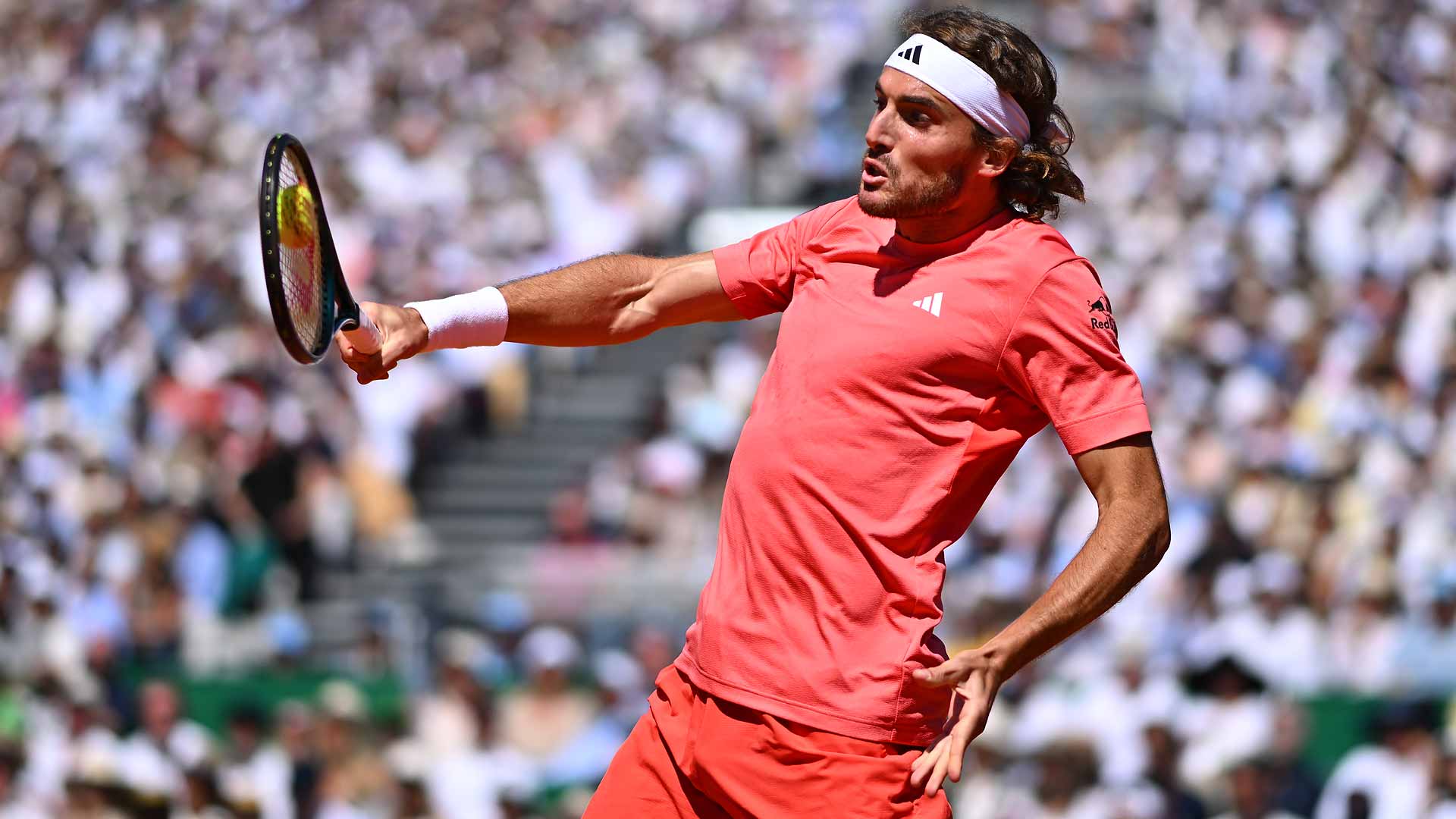
2. Title Comparison: One-Handers vs. Two-Handers (2025)
The disparity in the number of players is massively reflected in the number of titles won. The most successful players of the year, all of whom use two-handed backhands, have claimed the vast majority of the biggest tournaments.
While specific numbers vary based on the date, the overall breakdown for titles won in 2025 shows overwhelming dominance by the two-handed backhand.
| Backhand Type | Total ATP Titles Won (2025 YTD) | Percentage of Titles | Key Title Winners |
| Two-Handed Backhand (2HBH) | Majority (Approx. 95%+) | ~95%+ | Alcaraz, Sinner, Medvedev, Zverev, Djokovic, etc. |
| One-Handed Backhand (1HBH) | Very Few (Approx. 0-3) | ~5% or less | Stefanos Tsitsipas (Monte-Carlo, TBC) |
For example, players like Carlos Alcaraz and Jannik Sinner (both 2HBH) have collectively dominated the Grand Slam and Masters 1000 events:4
| Tournament Type | Two-Handed Backhand Winner (2025) |
| Grand Slams (e.g., US Open, Wimbledon) | All winners have 2HBH |
| Masters 1000s | Majority of winners have 2HBH |
In the most significant tournaments (Grand Slams and Masters 1000s), the one-handed backhand is almost non-existent in the winner’s circle for the 2025 season.
Conclusion: Why the Two-Handed Dominance?
This statistical gap is driven by modern racquet technology and the increased physicality of the game:
-
Higher Bounce/Topspin: Modern racquets generate immense topspin, causing the ball to jump high. The two-handed backhand provides superior stability and strength when hitting the ball above shoulder height, which is a major weakness for the one-hander.
-
Increased Power/Pace: The two-handed grip allows for greater body rotation and leverage, enabling players to handle the sheer pace of modern serves and groundstrokes more defensively and offensively.
-
Consistency on Return: The two-handed backhand is generally more reliable for blocking back powerful returns, which is crucial in today’s game.
The numbers for 2025 demonstrate that while the one-handed backhand remains a visually appealing and historically significant shot, its effectiveness in the modern power game has severely limited the ability of its users to consistently compete for the sport’s biggest prizes.