
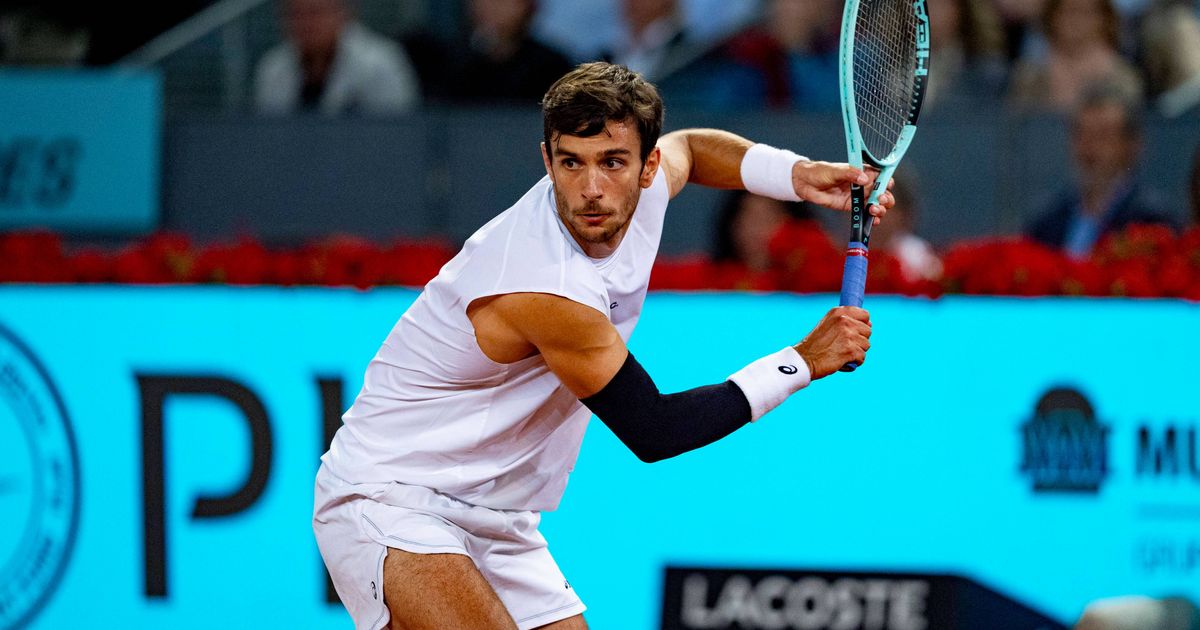
The one-handed versus two-handed backhand is one of tennis’s most enduring technical debates. There is no universally “best” shot, as the ideal choice depends on a player’s physique, style, and philosophy. However, a detailed comparison reveals clear strengths, trade-offs, and modern trends that can guide the decision for players and coaches.
Technical Breakdown & Key Differences
| Feature | One-Handed Backhand (OHBH) | Two-Handed Backhand (THBH) |
|---|---|---|
| Biomechanics | Unilateral motion. Relies on core rotation, shoulder turn, and a single-arm extension. | Bilateral motion. Uses torso rotation with support from the non-dominant arm for power. |
| Reach | Superior. The extended single arm provides greater reach on wide balls and allows more flexibility on low slices. | Limited. The non-dominant arm “ties” the player to the body, reducing reach. |
| Power Generation | Requires more full-body coordination and timing to generate pace. | Easier. The second arm provides inherent leverage and stability, making power generation more straightforward. |
| Stability & High Balls | Weaker. Can be vulnerable against high, heavy topspin balls (the “nuisance ball”) to the backhand. | Superior. The two-handed structure offers a stable, “wall-like” response to heavy pace and high bounce. |
| Versatility & Touch | Superior. Enables a more varied and natural slice, drop shot, and volley transition. The swing is less restricted. | More constrained. The slice is often a defensive or transitional shot; versatility comes from topspin/flat drives. |
| Learning Curve | Steeper. Demands excellent timing, footwork, and strength. Can be inconsistent for developing players. | Easier. The natural, closed-stance swing is more intuitive for beginners, offering early control and consistency. |
Statistical & Historical Context
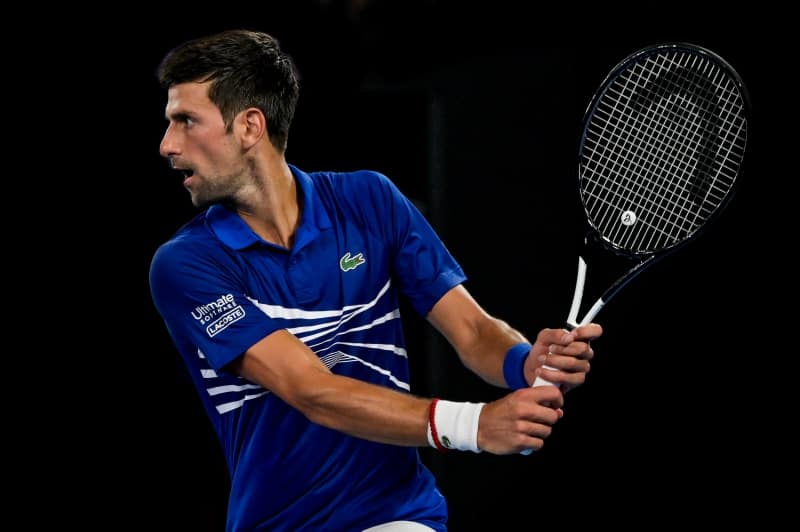
While the two-hander dominates the modern game statistically, history shows the one-hander can reach the absolute pinnacle.
-
Modern Prevalence: On the ATP & WTA tours, over 85-90% of players use a two-handed backhand. It is the standard technique of the contemporary baseline power game.
-
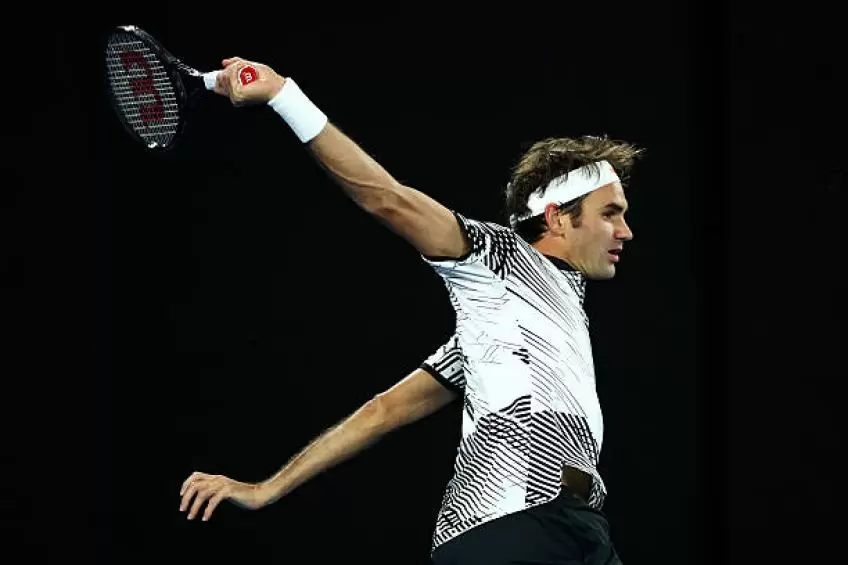
Championship Pedigree: Despite its decline, the OHBH has been wielded by all-time greats: Roger Federer, Pete Sampras, Stefan Edberg, Justine Henin, and currently Carlos Alcaraz (who uses it situationally for slices and passes) and Lorenzo Musetti.
-
Surface Nuance: The one-hander has traditionally thrived on faster surfaces (grass, indoor hard courts) where slice and versatility are premium. The two-hander dominates on slow, high-bouncing clay where stability against heavy spin is key.
Which is “Best”?
The answer lies in a player’s profile and goals.
The Two-Handed Backhand is “Best” For:
-
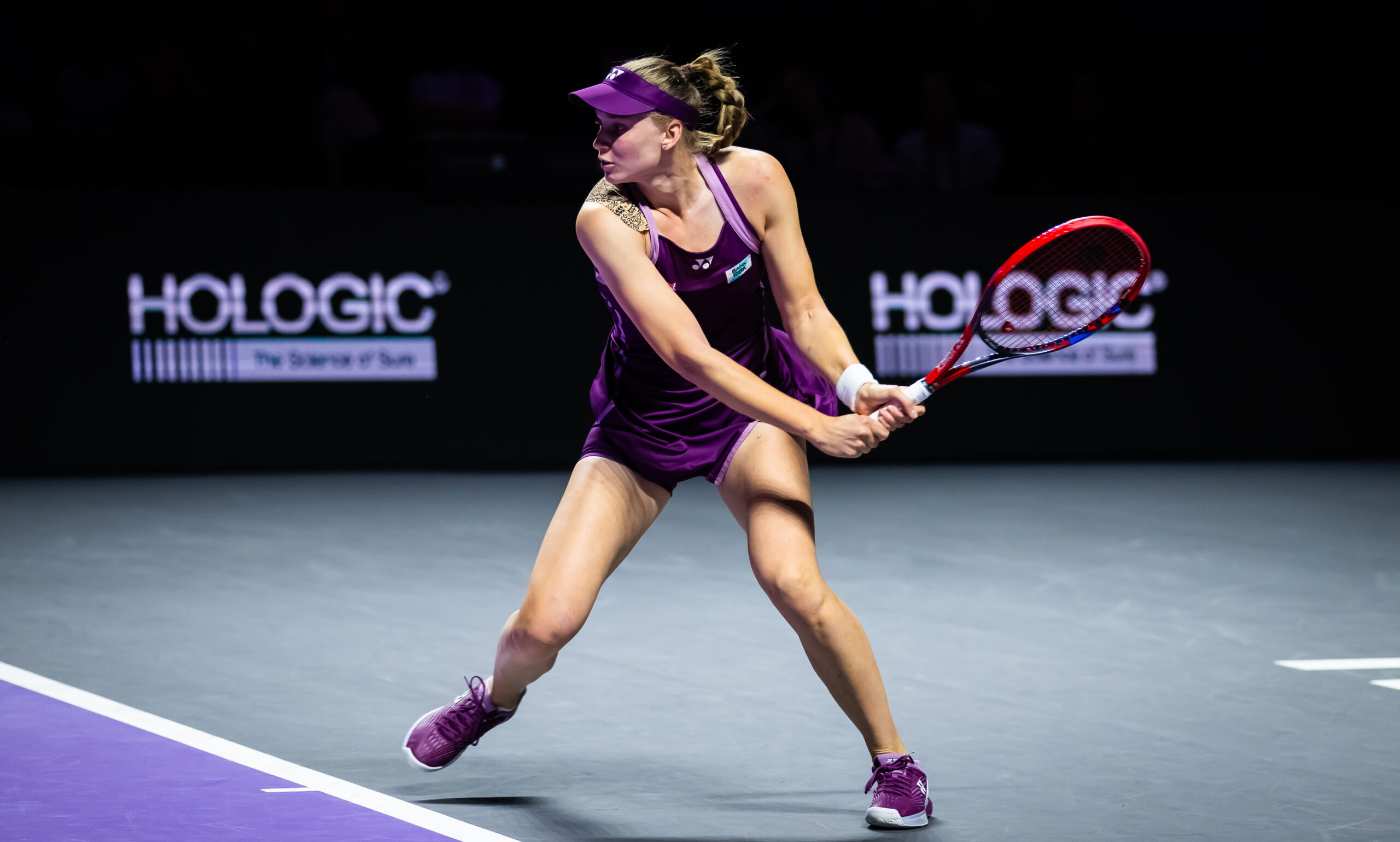
The Modern Power Baseline Game: It is the optimal tool for returning big serves, trading heavy topspin cross-court rallies, and generating pace from defensive positions.
-
Physical Stability: It provides a more stable, compact stroke under pressure, making it excellent for counter-punching.
-
Sale!
-
Sale!
-
Sale!
-
Sale!
 Football
CR7 – Cristiano Ronaldo #7 T-shirt
Original price was: $28.00.$23.00Current price is: $23.00.
-
Most Players (Especially Beginners): Its easier learning curve and early consistency make it the pragmatic, high-percentage choice for the vast majority.
The One-Handed Backhand is “Best” For:
-
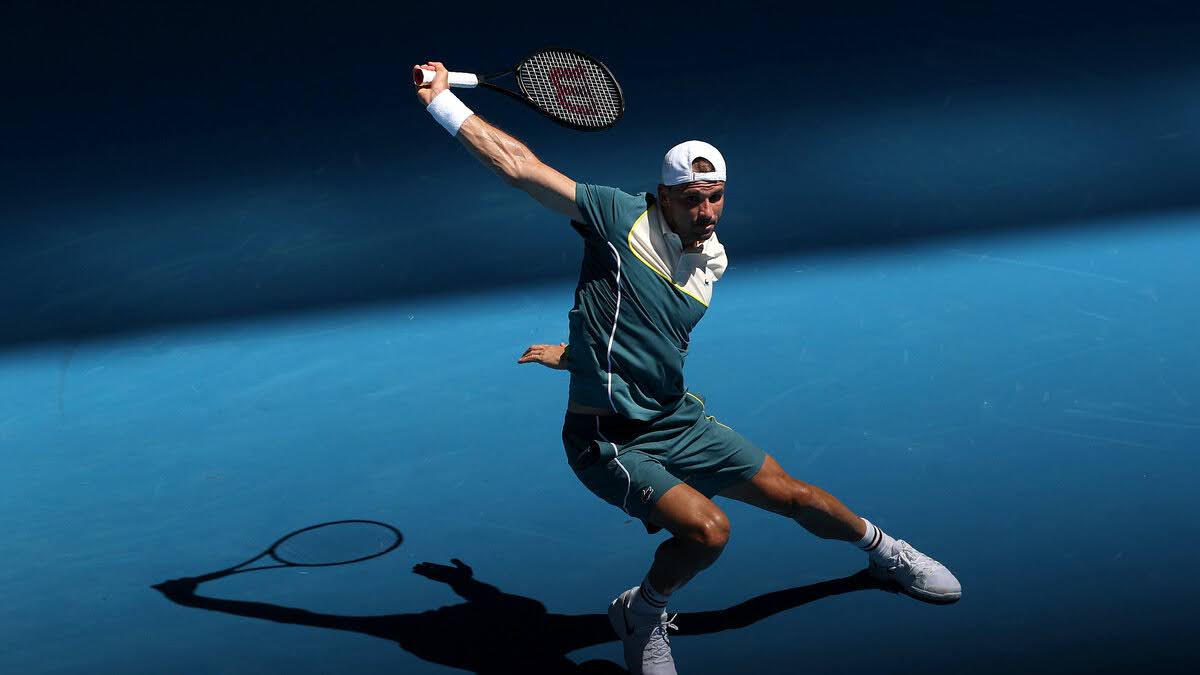
Artists & All-Court Players: It is the choice for those who prioritize variety, artistry, and net play. It offers a more seamless transition to slice, volley, and disguise.
-
Players with Specific Physiques: It can benefit taller players with long levers who can maximize its reach and sweeping power.
-
The Purist Seeking Ultimate Reward: When executed perfectly, it is one of the most devastating and aesthetically beautiful shots in sports, but its margin for error is smaller.
Wrapping Up
The two-handed backhand is the modern technical “default” – it’s more reliable, easier to master, and better suited to the physical, topspin-heavy nature of today’s game. It is the “best” choice for consistency, defensive robustness, and power generation for most.
The one-handed backhand is a high-risk, high-reward “specialist’s weapon.” It is the “best” choice for players who build their game on variety, touch, and all-court flair, and who are willing to dedicate immense practice to overcome its vulnerabilities.
Final Takeaway: If you’re building a tennis player from the ground up for the highest probability of professional success in the 2020s, you teach the two-hander. But if a player has the natural aptitude, physical attributes, and stylistic desire for the one-hander—and is willing to build their entire game to protect and unleash it—they can craft one of the sport’s most glorious and effective weapons. The “best” backhand is the one that best serves the complete player wielding it.
Shop with us
-
Sale!
 Sport
SportThe Essential Tennis T-shirt – Green
Original price was: $28.00.$23.00Current price is: $23.00. -
Sale!
-
Sale!
 Sport
SportVAMOS NADAL Tennis T-shirt – Unleash The Beast
Original price was: $28.00.$23.00Current price is: $23.00. -
Sale!